

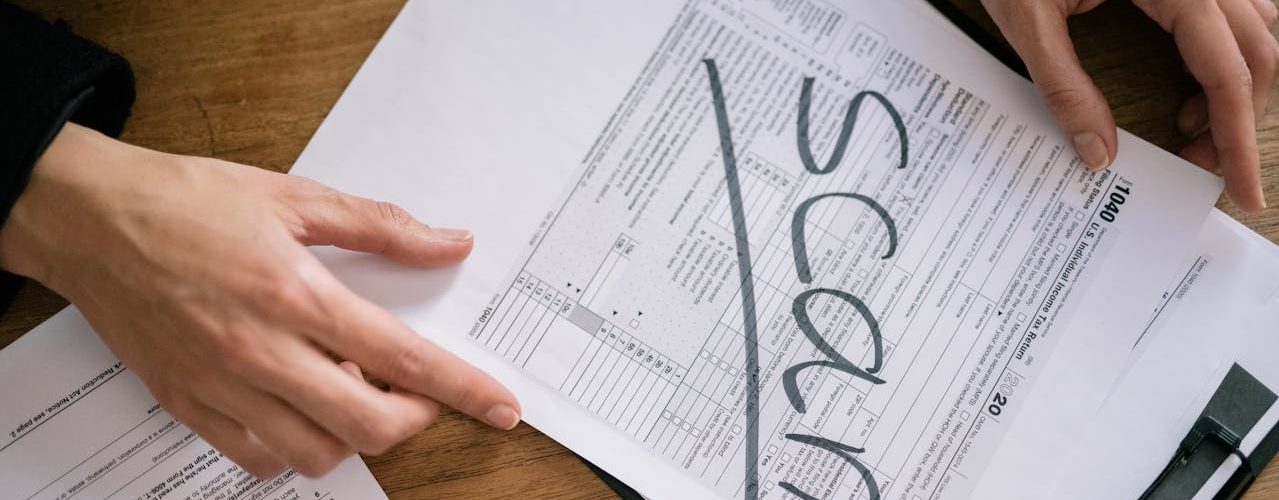
Over 186,000 instances of fraud and 43,000 of identity theft were filed in Illinois in 2024, according to NewAmerica.org.
Running a small business means juggling dozens of responsibilities. Staying on top of finances is enough of a challenge when you’re also managing customers and doing everything you can to keep things running smoothly. It’s no wonder that another task often gets overlooked until it’s too late: protecting your business from scams.
Fraud in Illinois: Why Businesses Need to Be Careful
Fraud targeting small businesses is more common than many owners realize. Our state ranks 10th in fraud, according to the FCC, and scammers are constantly updating their tactics – which is why business owners need to be on the lookout more than ever.
The good news? With a few practical habits, Illinois entrepreneurs, startups, and other business-minded individuals can dramatically reduce their risks by taking various protective measures before anything happens.
Examples of Different Types of Scams Today
After all, there are so many ways to get tricked, and the number is growing. These four common strategies that scammers employ give you an idea of the diversity of the threats out there:
- Taking advantage of holiday shopping and spending
- Looking for sensitive information on social media to replicate it elsewhere
- The “til tap” – thieves who steal by confusing cashiers
- Check fraud – online and off, even more common now than before
Finding an established check cashing presence in your community is one thing you can do today to prevent fraud, since places like CFSC currency exchanges are secure and protected by insurance. Find out more about why some small businesses rely on local check cashing services to run smoothly.
How Scammers Try to Fool Business Owners
Just like with consumers, scammers often use psychological methods to trick small business owners, some of which are outlined in this FCC guide for businesses. It explains how they pretend to be someone trustworthy — a government agency, for example, or a utility company. Their messages often come with a sense of urgency, suggesting an account will be suspended or a bill is past due, and that you must pay up now.
Don’t cave to the pressure!. Explore any message you think may be true through an official organization, without responding to the message in question.
Business-Specific Red flags to Look Out For
If you own any kind of business, even if it’s you and your kid running a shop out of your garage, here are some scenarios you’ll want to avoid.
Payment Requests: Someone asking you to pay through gift cards, cryptocurrency, or a wire transfer for something you weren’t expecting, stop immediately. These methods are nearly impossible to reverse once money is sent.
Scams Aimed at Workers: Some fraudsters try to get one employee to cause a problem for the whole business. No matter how small your team, teach all of your workers:
- Never to share passwords or sensitive information by email
- Always to verify any unexpected request from a “boss,” especially if it asks for secrecy or fast action
- When in doubt, pick up the phone and confirm using a number you already trust.
Fake Invoices & Unordered Goods: Fraudsters like to “invoice” for everything from office supplies to domain services or memberships you never ordered. If the bill doesn’t ring a bell, don’t pay it unless you find out it’s legit.
Impersonation: Some creeps pretend to be government officials or major companies and claim you must take immediate action. Anyone pressuring you or your staffers into paying them should raise red flags.
Tech Support Cons: A pop-up warning claims your computer has a virus, urging you to call a number or click a link. If you do, they may charge you for fake repairs or gain access to your system.
Phishing and Ransomware: Yep, those things still exist. Beware the odd email that looks authentic asking you to click something or open a file. One wrong click can hand over credentials or introduce destructive malware that could stop operations.
Bogus Ads or Marketing: If it looks too good to be true, it probably is. Anyone promising explosive growth or making shady guarantees should be avoided.
Untrue Payment Processing Deals: We’ve all seen incredibly low credit-card processing rates or equipment leases, and it can be tempting to follow through on the offer. But it’s more likely you’ll get sucked into a long contract that’s impossible to break or that there will be unexpected fees attached.
Build Good Habits That Keep You Safe
You don’t need fancy software to protect your business (though good security tools help). Start with simple, consistent routines. Set up clear procedures for approving invoices and payments.Double-check anything that seems off or just gives you a gut feeling that it shouldn’t be trusted. Thoroughly research new vendors before signing any contracts.
And again – encourage your whole team to do the same and speak up if something feels off.
Where can local business owners report scams or fraud?
If you run into a suspicious situation or realize someone attempted to scam your company, report it to ReportFraud.ftc.gov. Not only does this help authorities track bad actors — it also protects other businesses from falling into the same trap.
3 helpful resources for reporting suspicious activity:
- Report consumer fraud in Illinois
- Report scams and fraud to the Federal Trade Commission
- Local consumer protection: call 311 in Chicago (check your area for other numbers)
Get Financial Help at Your Local CFSC Currency Exchange
Finally, be sure you trust any provider of financial services, no matter how small. Call your local CFSC to find out how we can assist your business and keep your money safe.